
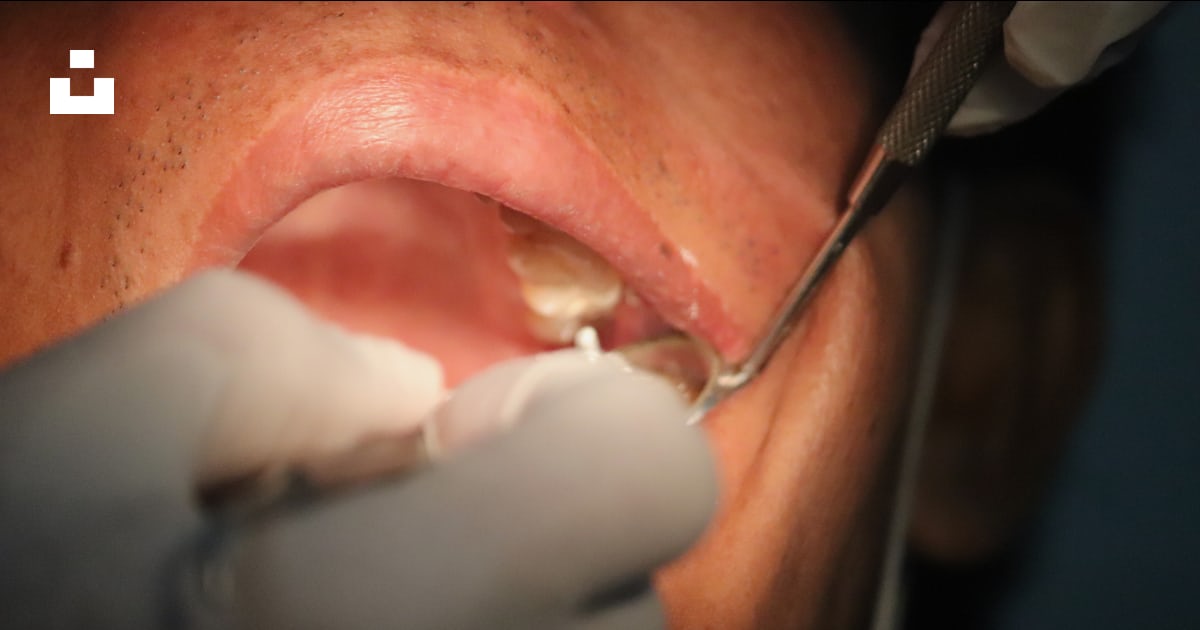
A cavity may begin without pain, but it can continue spreading into the deeper parts of a tooth. Dentacare explains that a timely filling removes the damaged portion, restores the tooth and helps prevent the decay from reaching the nerve.
Why a filling may be recommended
- Stops decay from spreading
- Strengthens and restores the affected tooth
- Helps prevent pain and infection
- May avoid more complex treatment later
- Supports comfortable chewing and oral hygiene
Signs that need a dental assessment
- Sensitivity to hot or cold
- Pain while chewing
- Food repeatedly getting stuck
- A dark spot or visible hole
- Persistent bad breath
Can a cavity heal by itself?
Once tooth structure has been lost to decay, it does not grow back. A dentist can confirm the extent of the cavity with an examination and, when needed, an X-ray. Treatment depends on how deep the decay has progressed.
How a cavity develops
The outer enamel of a tooth is extremely strong, but it is exposed throughout the day to acids produced when bacteria in dental plaque process sugars and other fermentable carbohydrates. Saliva and fluoride help the enamel recover between these acid attacks. When attacks happen too frequently, minerals are lost faster than they can be replaced and a weak area develops.
At an early stage, the change may appear as a chalky white mark and can sometimes be stabilised with professional preventive care. Once the surface breaks and a hole forms, brushing cannot rebuild the missing tooth structure. The damaged area must be assessed and, in many cases, restored with a filling.
What happens during a filling
The dentist first examines the tooth and may take an X-ray to understand how far the decay extends. Local anaesthetic can be used to keep the procedure comfortable. The decayed tissue is carefully removed, the area is cleaned and a restorative material is placed and shaped to reproduce the tooth’s form.
Tooth-coloured composite is commonly used, although the material chosen depends on the tooth, the size and position of the cavity, bite forces and clinical conditions. The dentist checks the bite and polishes the restoration before giving aftercare advice.
- A small filling usually preserves more natural tooth
- Deep cavities may remain sensitive for a short period
- Regular reviews help monitor the filling and surrounding tooth
- New pain, swelling or a broken restoration should be assessed
Why waiting can change the treatment
Decay can progress from enamel into dentine and eventually reach the pulp, where the nerves and blood vessels are located. At that point, a simple filling may no longer be enough. Root canal treatment, a crown or extraction may be discussed depending on whether the tooth can be predictably restored.
Pain is not a reliable measure of cavity size. Some deep cavities cause little discomfort until the pulp becomes inflamed or infected, which is why routine examinations remain important even when everything feels normal.
Frequently Asked Questions
Does every dark mark mean a cavity?
No. Staining can collect in grooves and around older fillings. A dentist uses the clinical appearance, texture and sometimes an X-ray to distinguish staining from active decay.
Can a filling fall out?
Fillings can wear, chip or loosen over time. Their lifespan depends on size, material, bite forces, oral hygiene and habits such as grinding. A damaged filling should be checked rather than ignored.
How soon can I eat after treatment?
This depends on the material and anaesthetic used. Avoid biting the cheek or tongue while numb and follow the instructions given by your dentist.